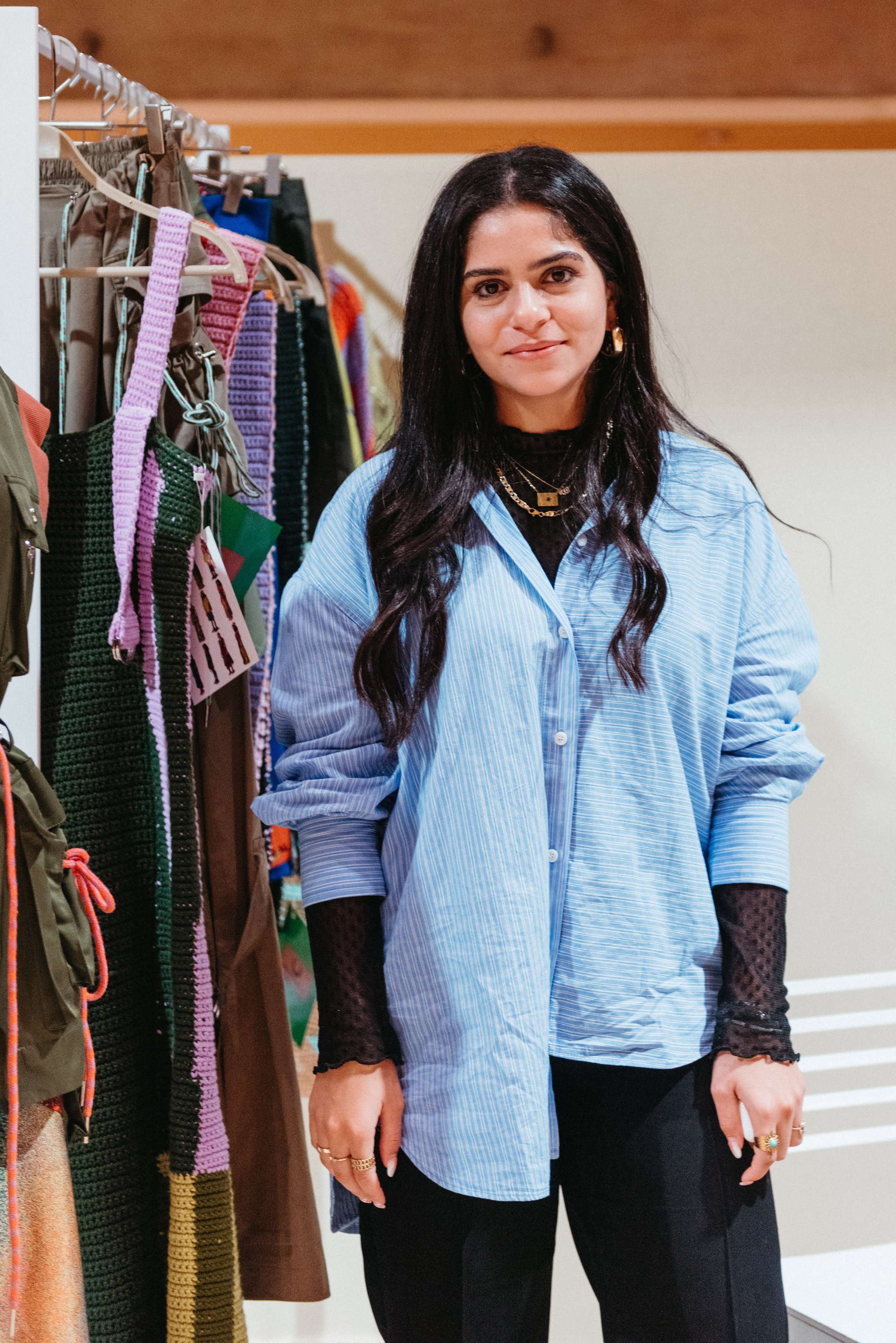
Upcycling as a concept rose a few years ago, but it still struggles to gain acceptance - what about quality and consistent production? The owner of Morocco’s biggest vintage store, entrepreneur Zineb Ismaili intends to put an end to what she considers a false debate. With her brand Maison Pérenne, she blends unique pieces and small series in a truly virtuous fashion, in tune with the social and economic stakes of Moroccan craftspeople.
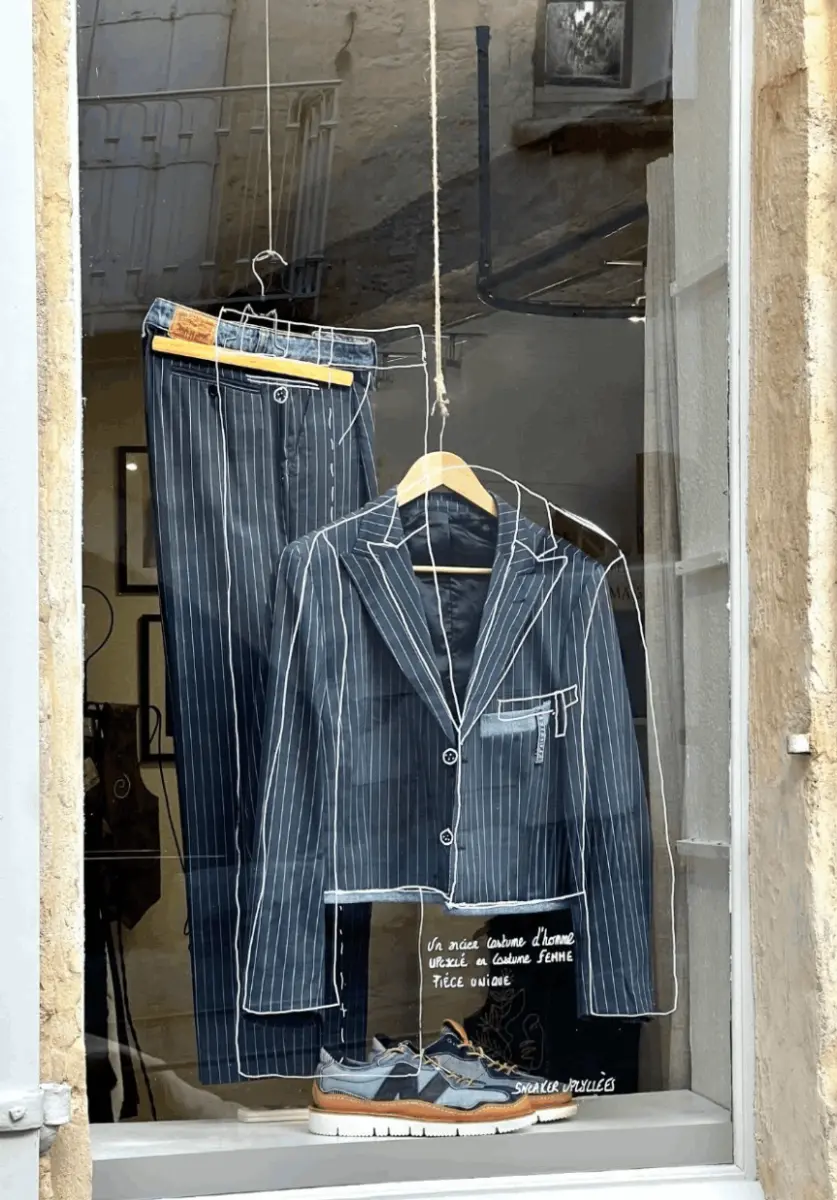
A proven success, as the young brand is already distributed in several luxury hotels and in leading concept stores across the country (33 rue Majorelle, Dress up or Bee on 6th), and recently opened its first French store in the town of Uzès.
How did you move from vintage to upcycling?
While visiting suppliers for vintage pieces, I often found beautiful curtains or embroidered tablecloths which I found inspiring but which I couldn’t sell in their original state. So my partner and I decided to expand by creating a brand that could give them a new life: Maison Pérenne!
How are your collections structured?
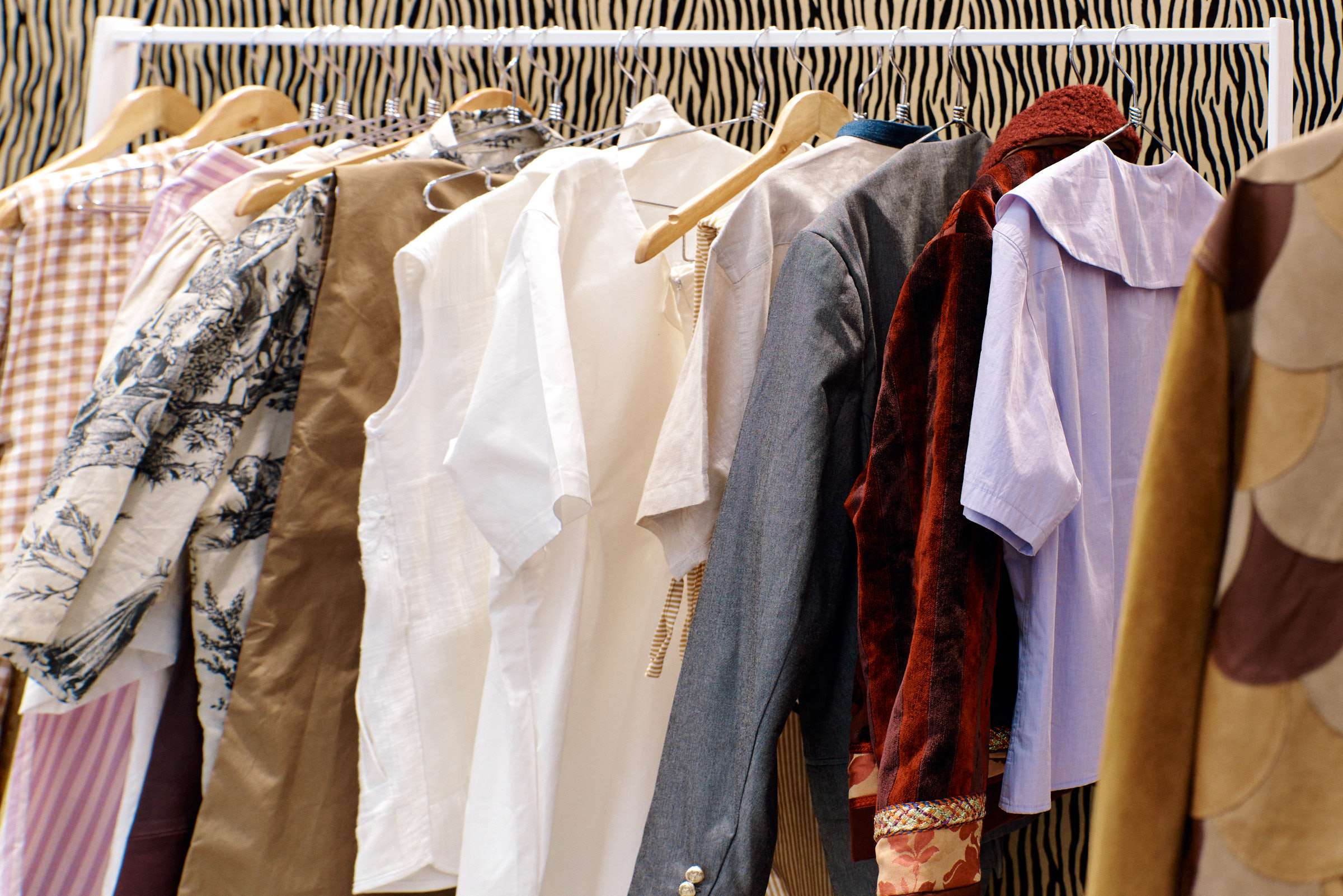
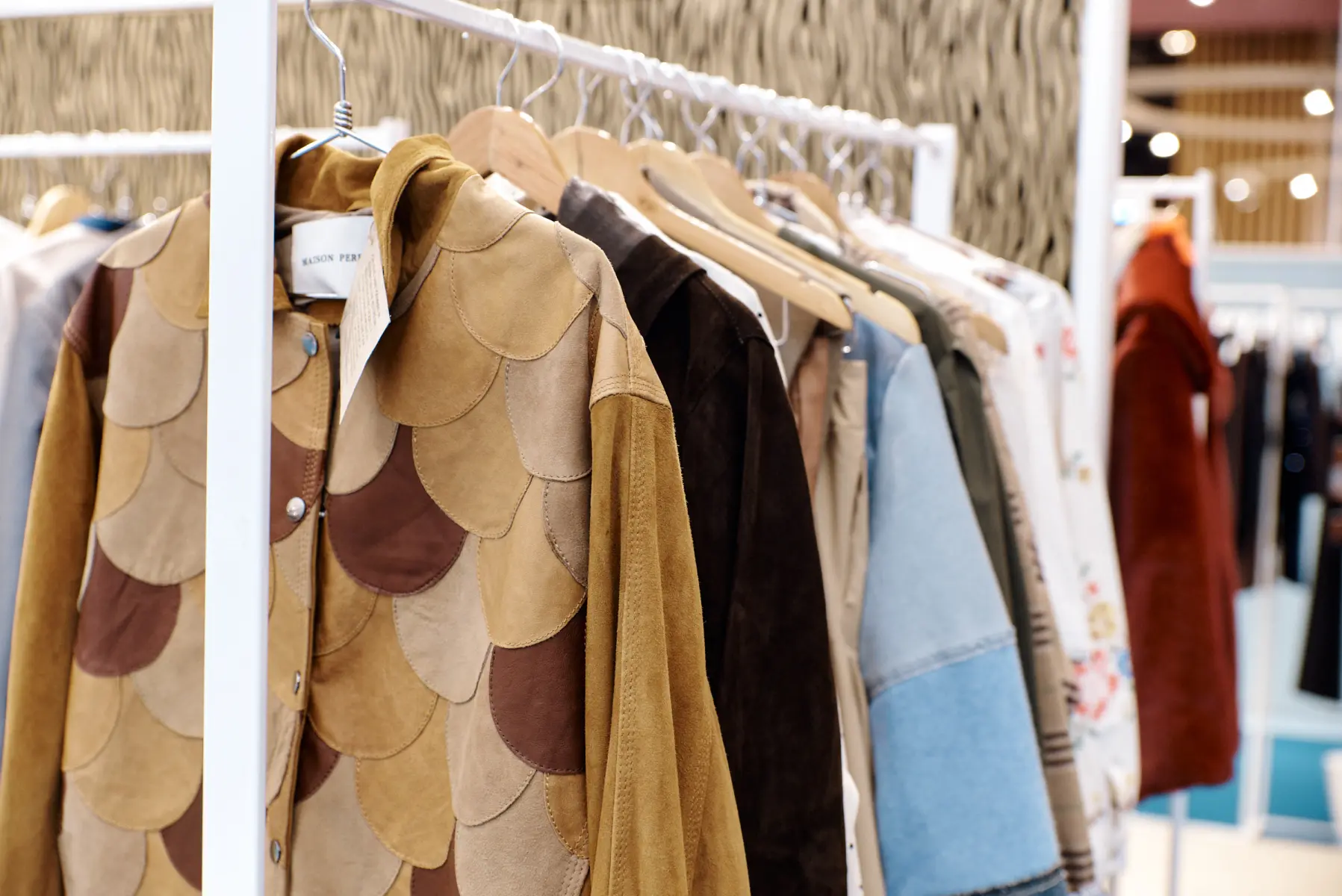
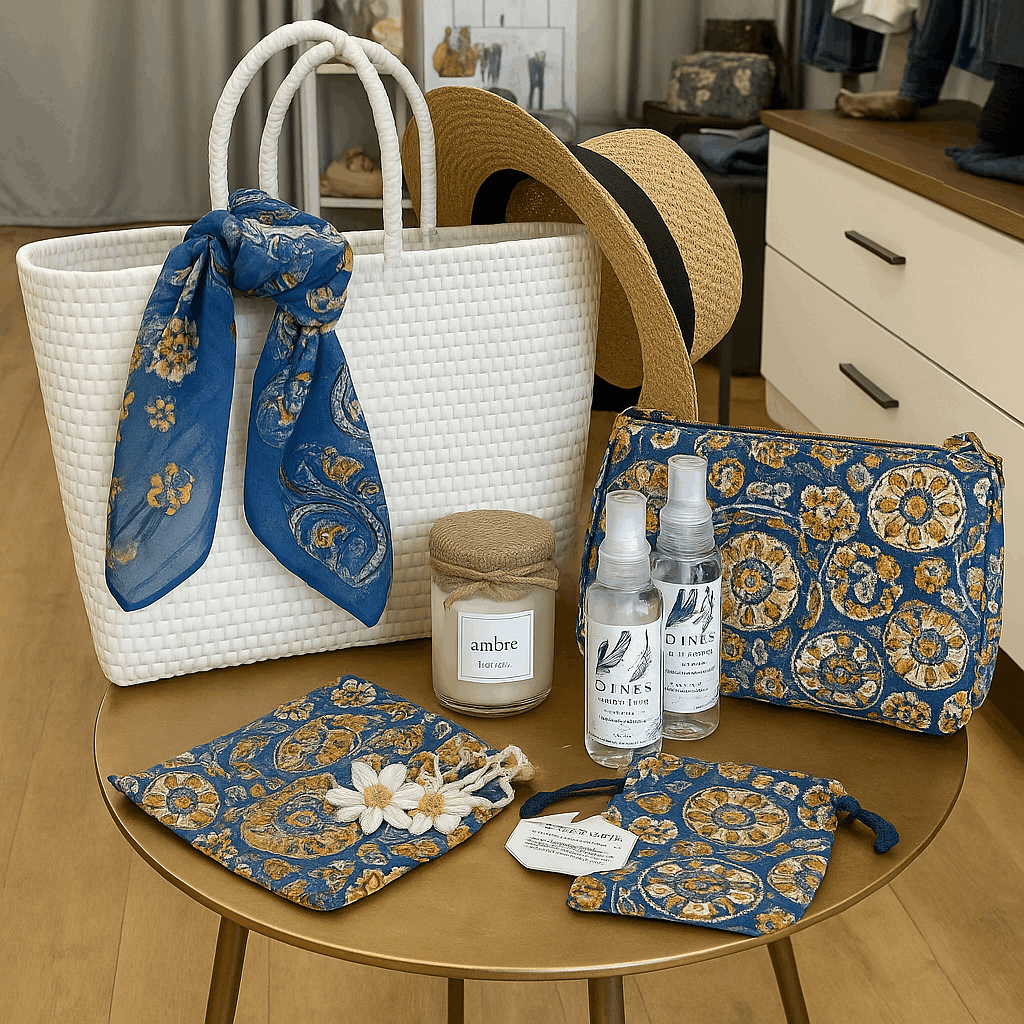
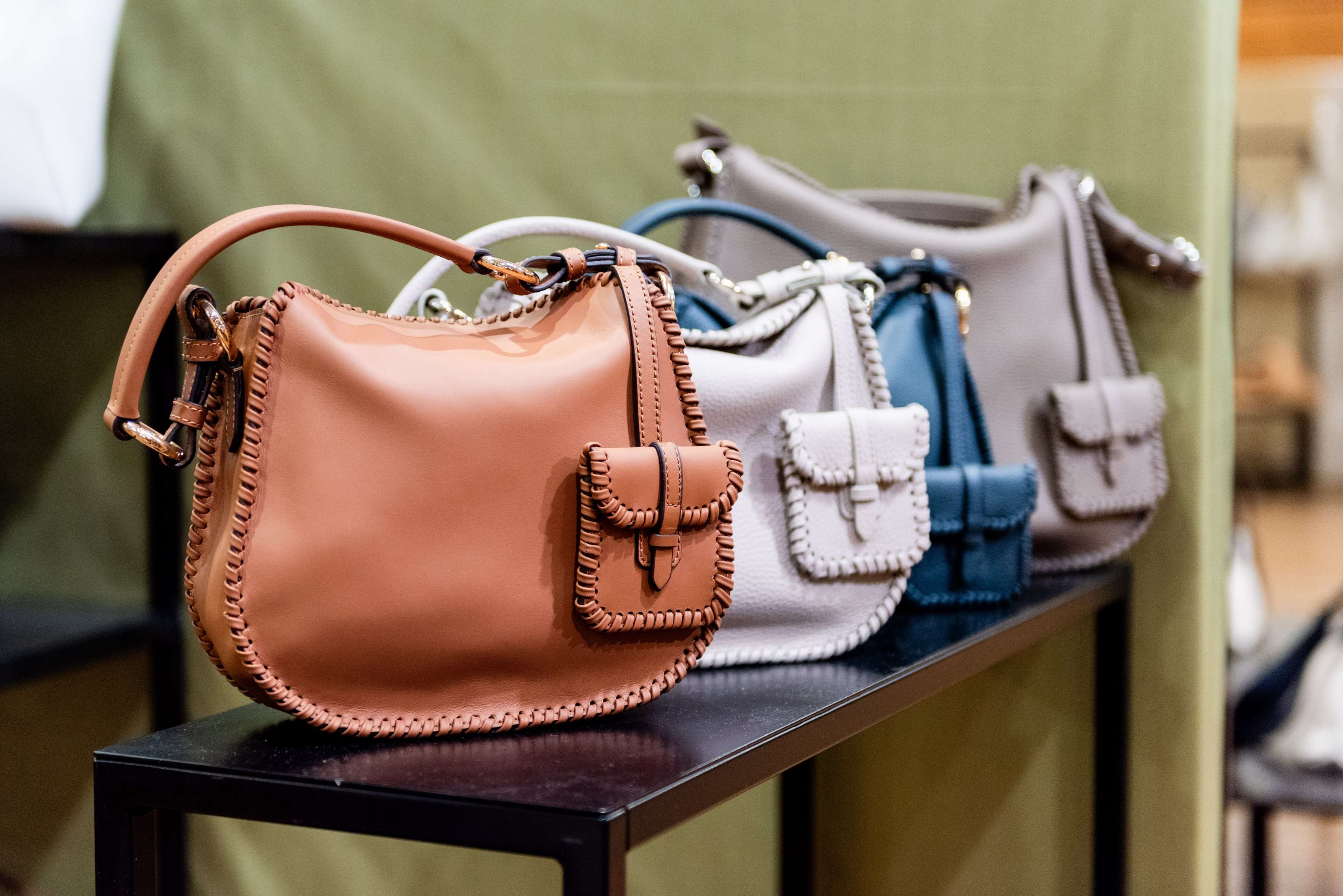
We collect garments, tablecloths and curtains from sorting factories and we upcycle them into unique pieces. We only choose beautiful, natural materials, and also deadstock fabrics which allow us to make small batches.
What makes Who’s Next an important platform for a brand like yours?
Being here allows us to stay close to the market and to better understand the needs of different areas, whether its denim, embroidery or cashmere. Back in September, our first session brought us some nice orders, including from Brand Bazar.
How can upcycling thrive within a market that is still somewhat reluctant?
Some buyers are used to ordering 200 of the same pieces, from a catalogue. It can be hard to make them accept that when it comes to upcycling, two pieces won’t be exactly the same. At Maison Pérenne we are very flexible: clients can give us guidelines on color, fit and embroideries, for an almost bespoke order.
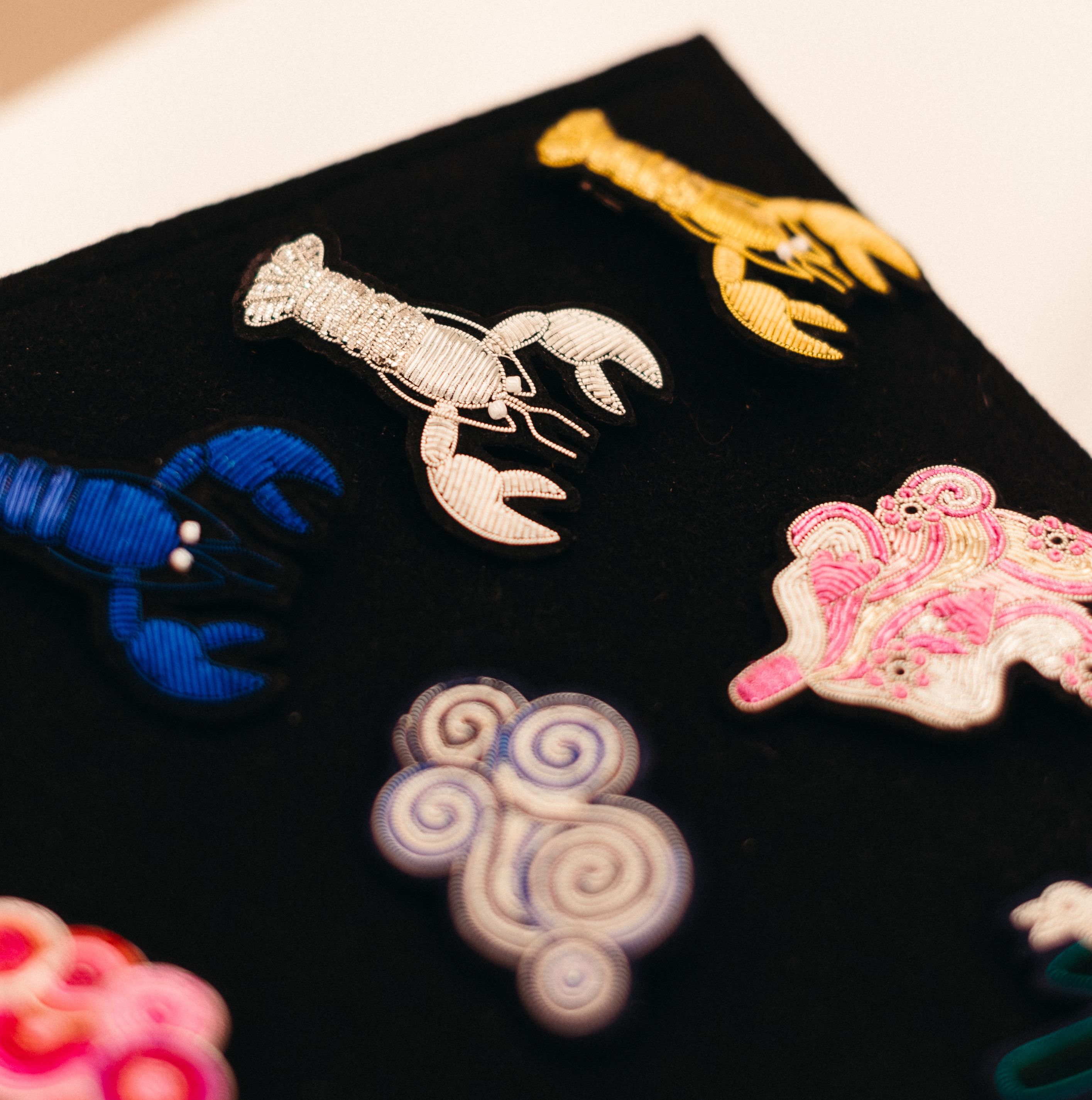
The second challenge is quality. Our pieces are made in Fez, the capital of Moroccan craftsmanship, by artisans who are all masters in their own fields, whether it’s sewing, leather or embroidery. Clients are very surprised by the level of finishing. Upcycling is finally done properly!
So educating buyers about these new practices remains the major challenge?
That, and embracing the flexibility of a new model. We work as much as possible with people in need, through cooperatives. This allows embroiderers to work from home when they have children to care for, or the seamstresses to work for other brands and earn additional income.
It’s important for us to set up a virtuous system that goes beyond the mere practice of upcycling. Being distributed in such premium places proves that it works, and that it’s only the beginning!