Interview with Elizabeth Price, Executive Director of the Museum Store Association
While visiting Shoppe Object Paris, Elizabeth Price shares her perspective on the current challenges facing museum stores, the role of objects in cultural transmission, and the growing importance of international exchange.
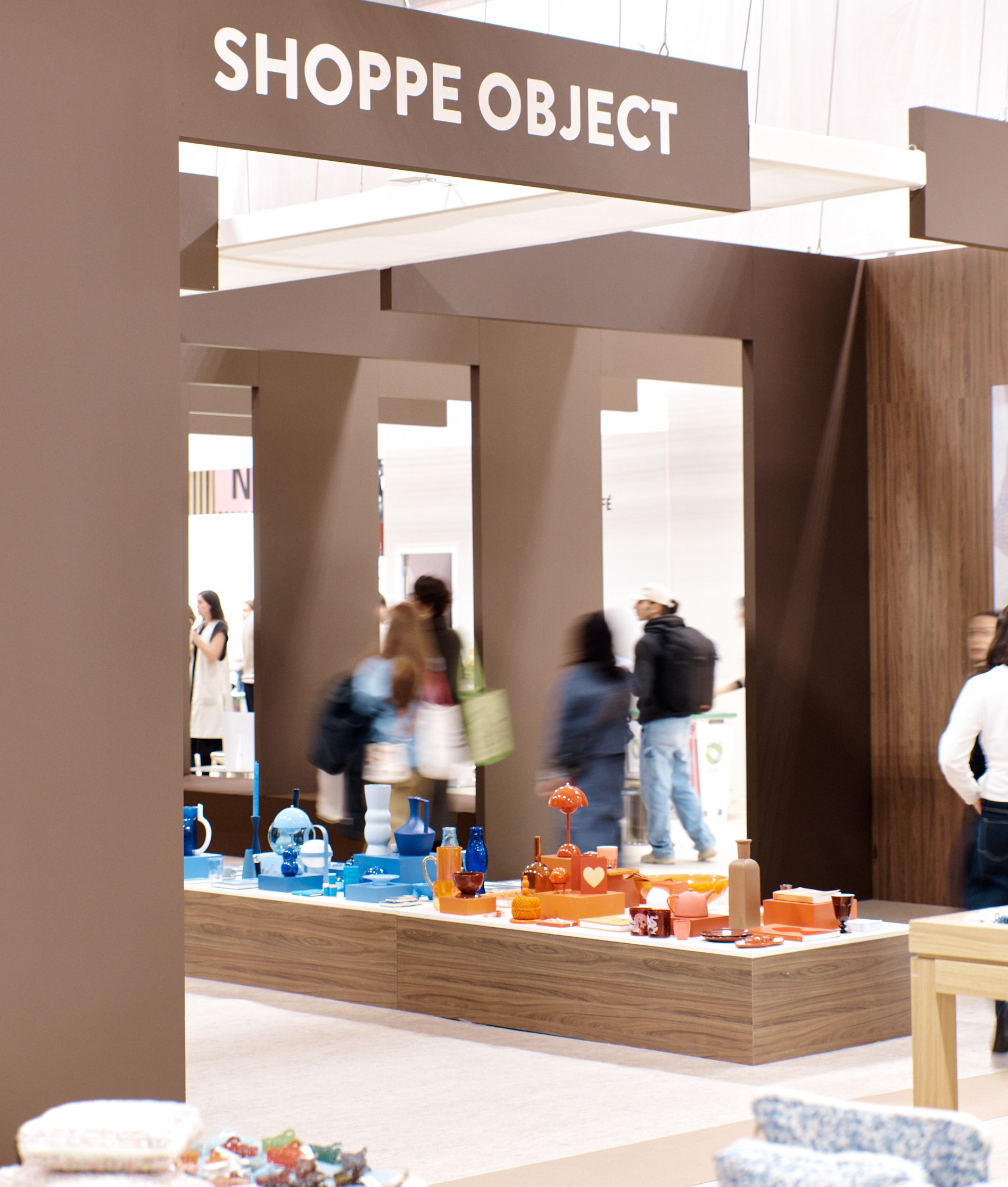
As Executive Director of the Museum Store Association, a nonprofit organization based in the United States, Elizabeth Price works closely with museum stores to help them grow their retail activity while staying true to their cultural mission. At this first Paris edition, surrounded by buyers from around the world, she brings the museum store perspective, where objects become natural extensions of the visitor experience. Her time in Paris also offered the chance to discover new brands and broaden her understanding of the international market.
What makes an object relevant for a museum store?
When we discover new brands, we first look for partners who understand how cultural institutions operate and who know how to adapt to their purchasing methods. Objects must have depth and meaning, and they need to engage in dialogue with the collections and exhibitions. What matters is not only the object itself, but also a brand’s ability to collaborate with large institutions and understand their purchasing processes and constraints.
Collaboration, customization, and the creation of unique pieces are particularly important for our institutions. Many also pay close attention to sustainable products, artists from diverse backgrounds, and fair trade practices. Above all, objects must support the museum’s mission. Since most of our institutions are nonprofit, this is essential.
What are the main challenges museum stores are facing today?
Today, one of the biggest challenges is navigating the executive orders around tariffs and the uncertainty surrounding import conditions. Costs and timelines can change from one day to the next, creating significant pressure, particularly for customized products. When you do not know what to expect upon arrival or what the final price will be, purchasing decisions become significantly more complex.
Were you already familiar with Shoppe Object in New York?
Shoppe Object quite naturally became a partner of ours just a few years after it began. We quickly realized that many of our members, when traveling to New York for other markets, made a point of stopping by. As the fair grew, it became increasingly important within our network, both for institutions and for wholesale vendors. Shoppe Object places strong emphasis on curation, showcasing high-quality brands and distinctive proposals that naturally align with the expectations of museum stores.
What do you think about the arrival of Shoppe Object in Paris?
The arrival of Shoppe Object in Paris is really exciting. It has shaken up the scene a little bit, and that is probably a good thing. When competitors are awakened, it usually means you are doing something right. The more brands we can bring here and the more exposure our institutions have to new names, the better it is overall. It also makes a great deal of sense, especially at a time when so much is happening around design and gift.
Why is the international reach important for museum stores?
The international reach is important, especially to our consumers, who want the products to feel relatable. The museum experience is all about education, and many exhibitions focus on places or cultures outside the United States. The more we can bring the countries represented in those exhibitions into our stores for people to see, touch, and take home, the more the ideas explored in the exhibition continue beyond the visit itself.


