Meeting Élia Pradel, Founder of Anicet
On the occasion of Premiere Classe, we met Élia Pradel, founder and designer of Anicet. Through reuse, memory, and the living world, she builds a universe where jewelry becomes a vehicle for transmission.
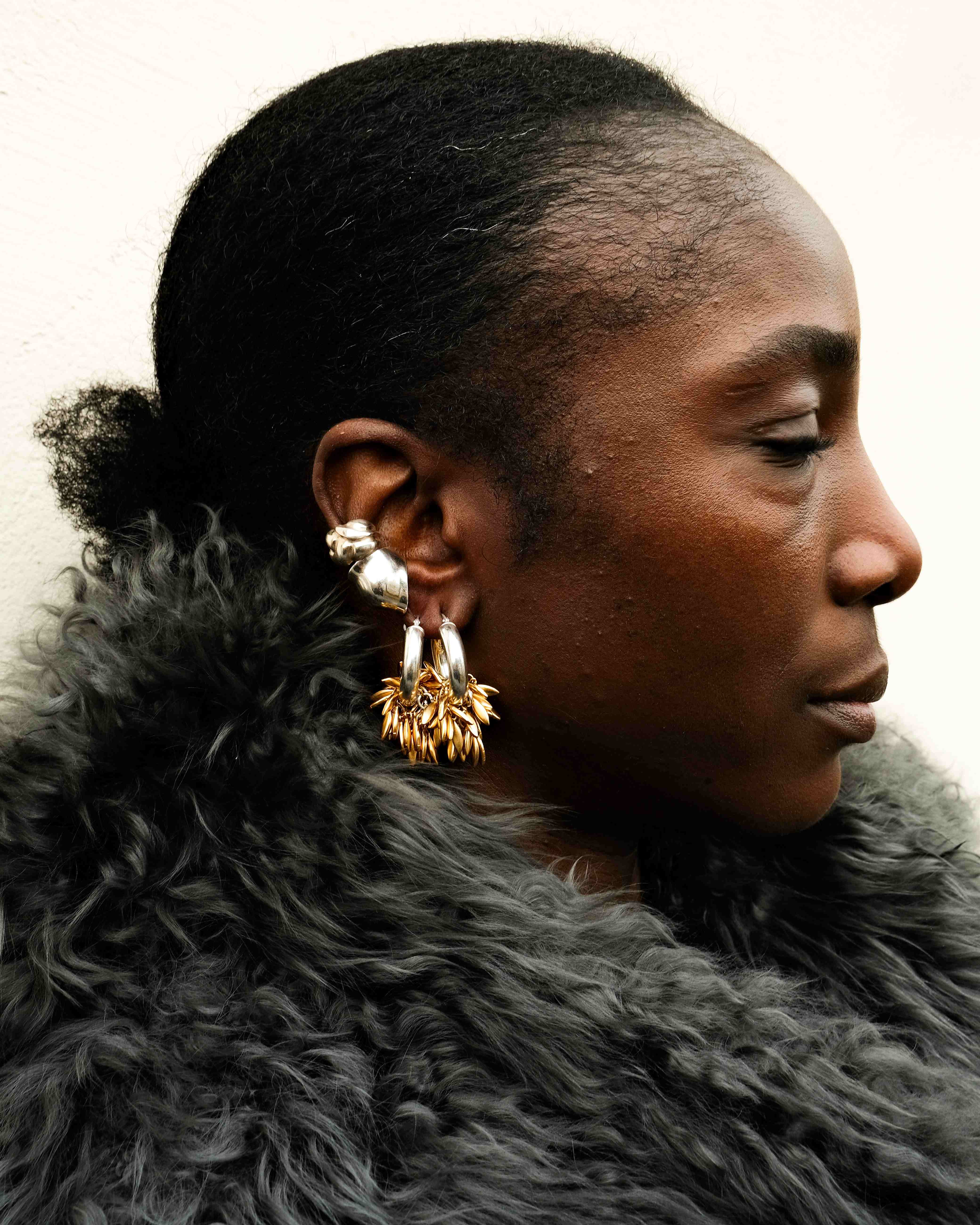
At the intersection of craftsmanship and design, the brand explores a sensitive and committed approach to creation.
Can you tell us how Anicet began?
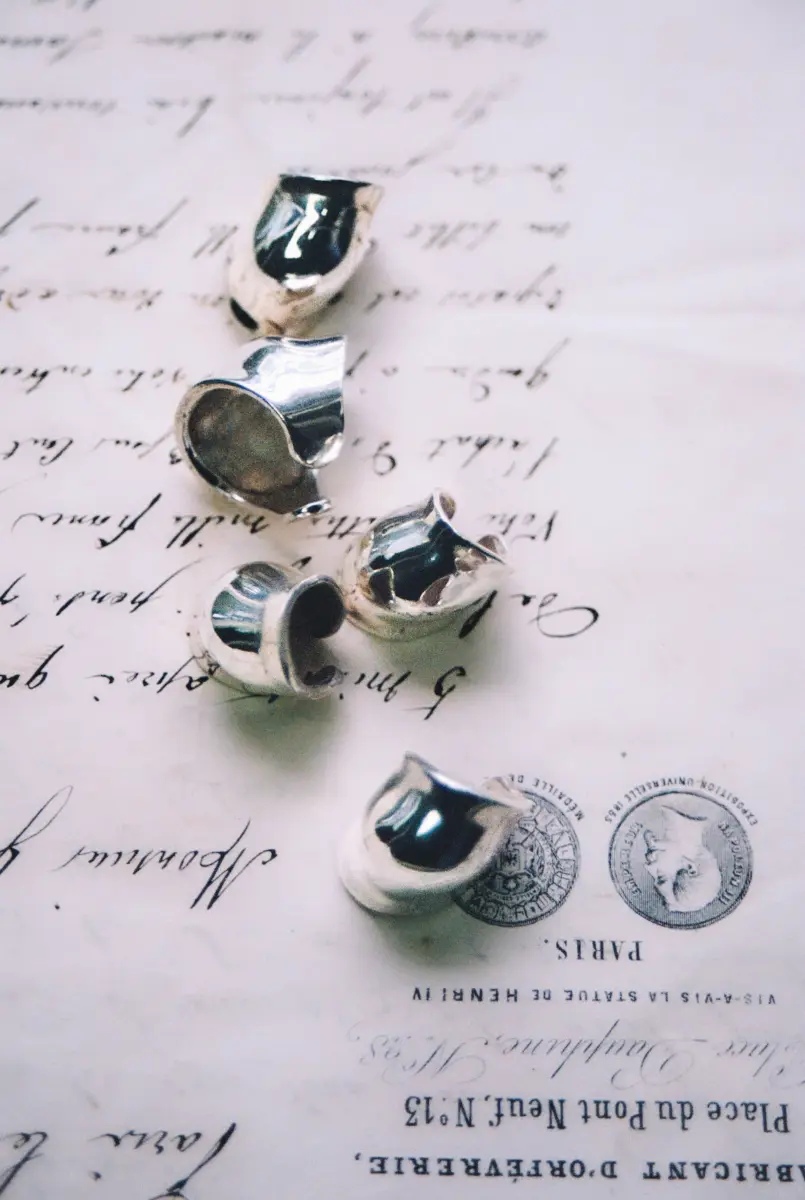
Anicet is a brand, a studio, that I launched five and a half years ago with the idea of revaluing antique jewelry and luxury brands’ deadstock.
It really began when I was younger, already working on restoring and transforming vintage jewelry, and especially from this desire to speak about transmission, heritage, and memory through our creations.
How would you describe Anicet in three words?
If I had to describe Anicet in three words, I would say: memory, craftsmanship, and contrast.
Why did you choose upcycling as the core of your work?
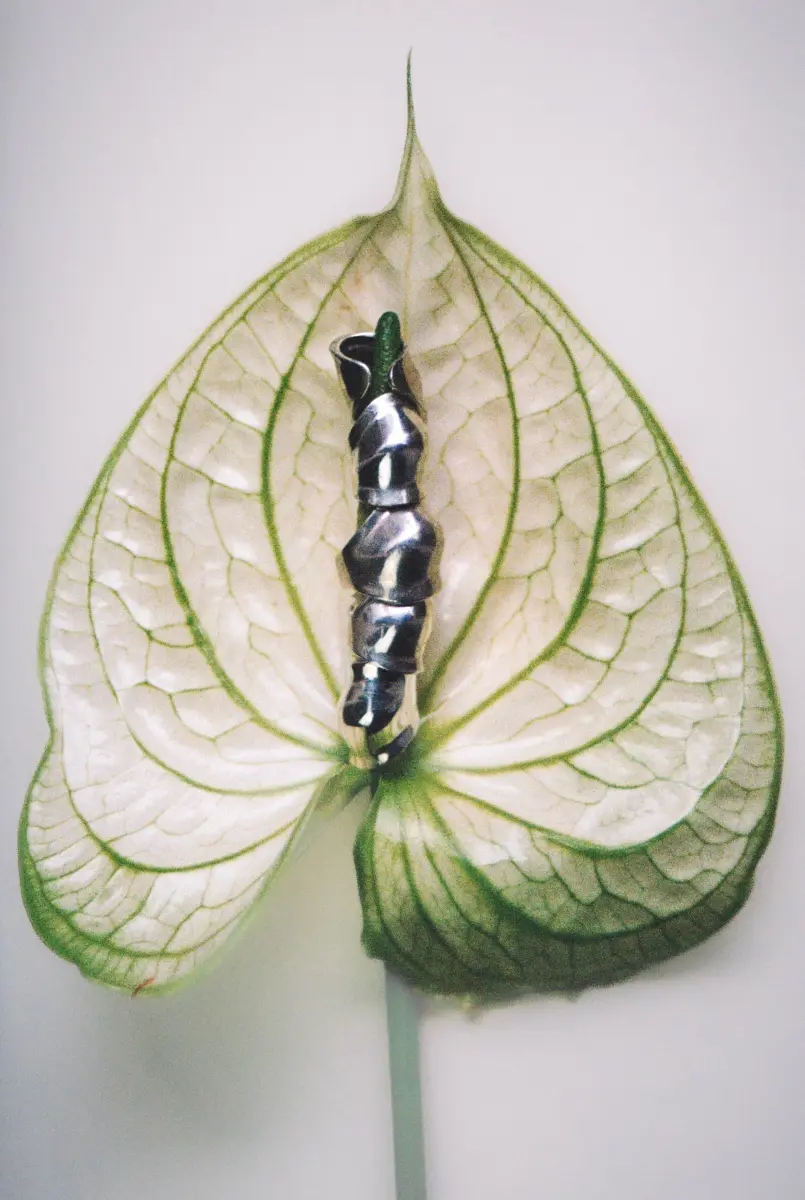
Upcycling, or rather reuse, I prefer that term, has been a deep creative motivation from the very beginning.
Of course, there is the environmental and ecological aspect, which is undeniable. But above all, there is the dimension of memory. When we revalue pieces that have already lived, they carry within them a certain history.
What does the name “Anicet” mean to you, and why did you choose it?
I launched the brand with this idea of revaluing materials, and I chose the name Anicet for several reasons.
I wanted a connection to my roots. I grew up in Guadeloupe, and Anicet is my father’s middle name. I wanted a link to that territory.
It is also an old French first name, and in the materials we work with, there is this desire to revalue heritage. The name has a mixed resonance. From the beginning, we have embraced inclusivity in our creations, addressing both women and men.
When does the creation of a piece of jewelry begin for you?
Today, we are structured around a permanent collection. There was a desire to create a wardrobe of strong, essential, high-quality and durable everyday pieces.
We also design more creative capsules that allow us to produce unique pieces through reuse. In these, we explore themes that are dear to me, often linked to the living world: water, flora, the animal kingdom. There is always a relationship to life, and that is often the starting point.
Inspiration can come from the material itself. For example, we may build a capsule around seeds I found in Guadeloupe. These seeds carry strong symbolic meaning, almost like amulets.
Sometimes it begins with an archival or historical image. Recently, I watched a documentary about Frida Kahlo — I lived in Mexico, and she is an artist who inspires me deeply. Her jewelry could become the starting point of a future collection.
But there is always a story. Always connected to life or to natural materials.
How do you choose the vintage pieces you reinterpret?
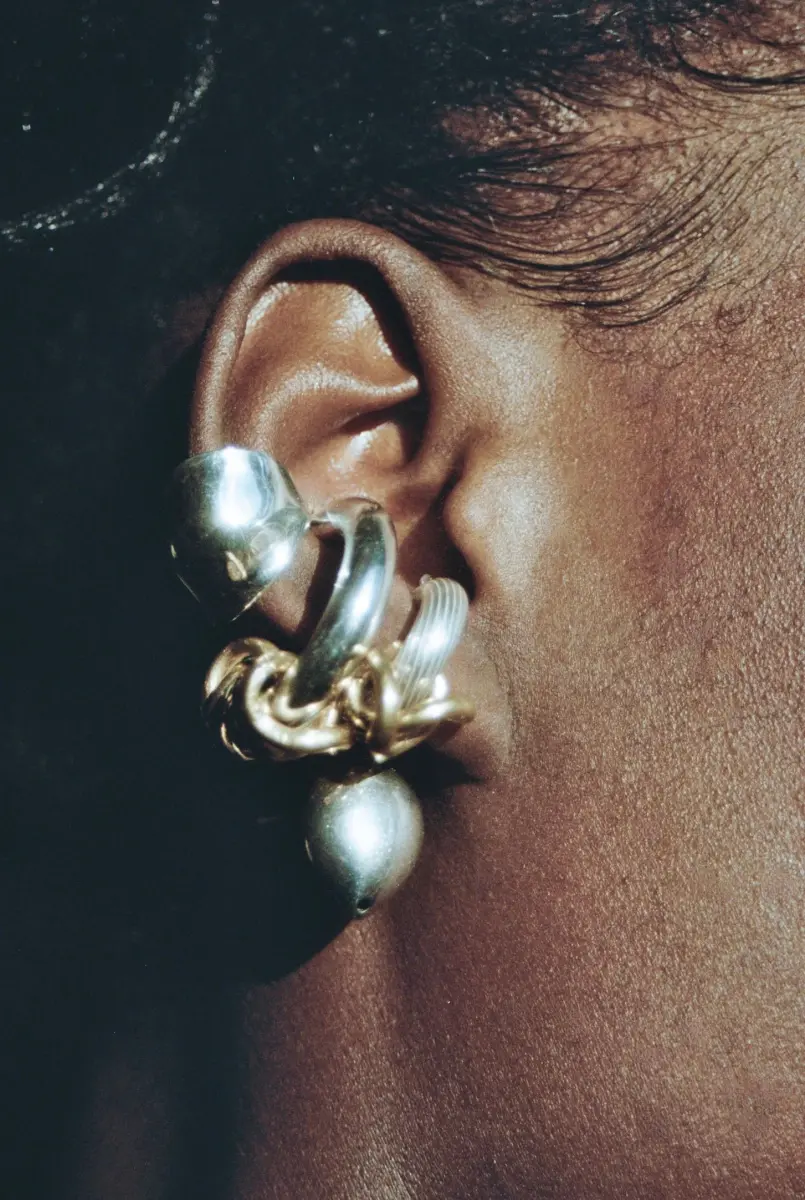
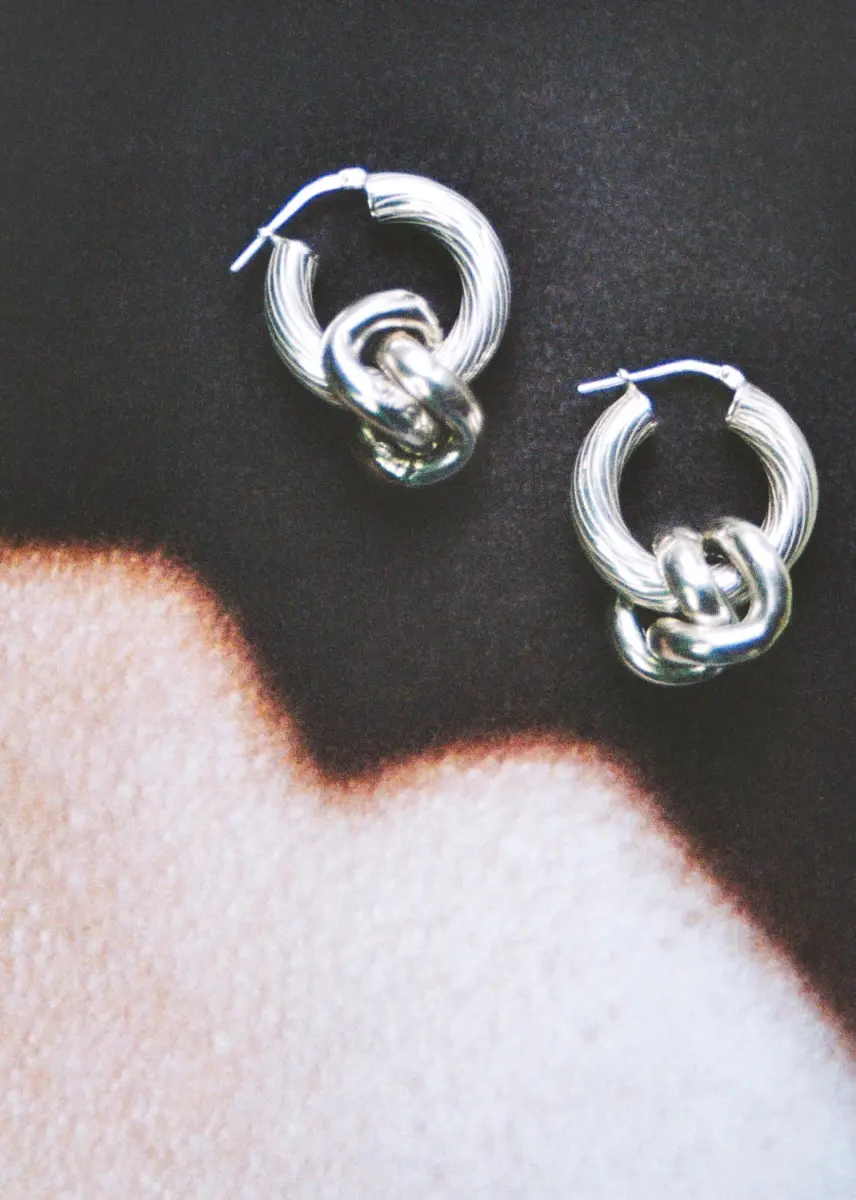
In our work, there is a strong idea of play, contrast, mesh, and form. The exploration of weaving and linking structures is very present.
It is important for us to use this medium to tell our stories, stories of life.
How can upcycling transform the jewelry industry?
Historically, old jewelry has always been reused, often through melting.
What has emerged more recently is an approach based on composition and assembly, although it had already been explored by certain artists and designers.
When we started, very few brands were working in this space, so it’s interesting to see the growing enthusiasm around reuse.
There are real constraints that led us to restructure our model by introducing capsules that strongly preserve this upcycled dimension. Our permanent collections also maintain a percentage of reused pieces.
Growing while fully preserving upcycling is challenging today. You have to find the right model.
What does producing “less but better” mean to you?
In our approach, there is a desire to offer quality pieces that can, I hope, be kept for a long time.
Producing in reasonable quantities and carefully selecting the partners we work with is a way of anchoring creation in longevity.
What are the next major projects for Anicet?
We are developing an important collaboration dimension. We have already created capsule collections and upcycling workshops with major houses, using their deadstock. We have also collaborated with emerging fashion designers. There will be new ones this year.
In 2026, we will be at Premiere Classe thanks to the Grand Prix de la Création de la Ville de Paris. We will present our permanent collection and a winter capsule. We are also heading to Tokyo to present this collection.
We are moving into a new permanent atelier, a dedicated space where clients will be able to try on pieces, book bespoke appointments, and meet us.
More broadly, I hope to continue developing the brand across its different pillars. Jewelry remains central, but so does the artistic design dimension. These worlds are porous. This fluidity between fashion, design, craftsmanship, and the art world is essential.
At Première Classe, I hope to develop new collaborations with French and international players.


